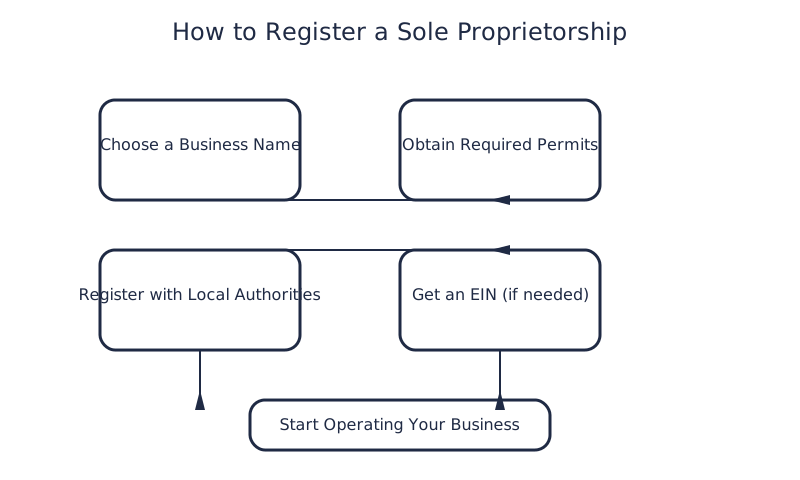
How to Register a Sole Proprietorship
Registering a sole proprietorship is a straightforward process that allows individuals to operate their businesses legally. Understanding the necessary steps ensures compliance with regulations, providing peace of mind as you embark on your entrepreneurial journey. Here’s a guide to help you navigate the registration process in India.
1. Choose a Business Name
The first step involves selecting a unique name for your sole proprietorship. Ensure the name reflects your business’s nature and is not already in use by checking the Ministry of Corporate Affairs (MCA) database. This will help avoid any legal complications in the future.
2. Obtain Required Licenses and Permits
Depending on your business type and location, you may need various licenses and permits. Commonly required licenses can include a GST registration, trade license, and any industry-specific licenses. FilingPro (https://filingpro.io/) can assist by providing services for GST registration and other compliance needs, ensuring that you have all necessary documentation in place.
3. Open a Business Bank Account
After securing the necessary licenses, the next step is to open a dedicated business bank account. This is essential for managing your finances separately from personal funds, enhancing record-keeping and professionalism. Most banks will require your business name registration and supporting documents for account opening.